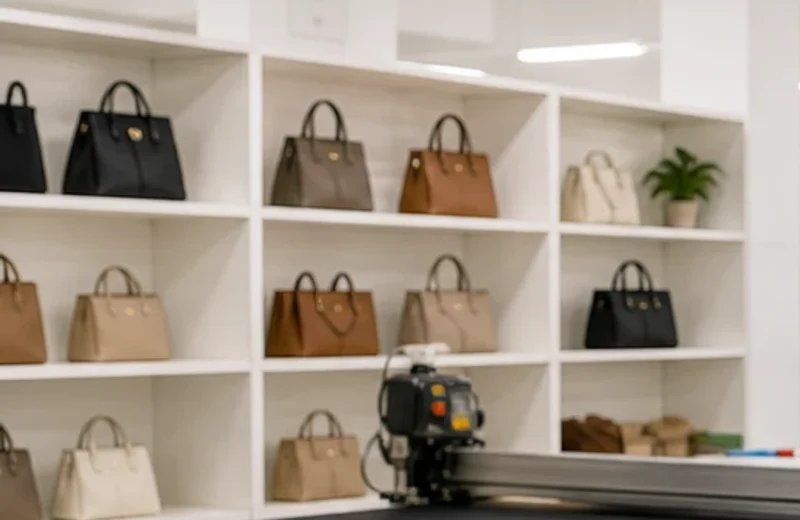
A handbag sample is more than a product photo. It is the stage where the buyer and supplier confirm structure, materials, size, logo, hardware, lining, construction, and factory feasibility before bulk production.
Start with a clear reference
Buyers can send a sketch, tech pack, physical sample, catalog style, or reference photo. The supplier should review bag shape, size, strap, closure, pocket layout, and material direction before starting sample work.
Confirm material before construction
Material affects structure, weight, stitching, edge finishing, and final price. Confirm PU leather, vegan leather, canvas, nylon, lining, zipper, hardware finish, and color card before the sample is produced.
Logo and hardware need early decisions
Logo embossing, metal plates, printing, woven labels, zipper pullers, and hangtags require different tooling or setup. If these details are changed late, the sample timeline can become longer.
Review the first sample carefully
Check dimensions, body shape, handle drop, strap length, inner compartments, stitching, lining, zipper movement, hardware color, logo position, and packing details. Good feedback makes the second sample more accurate.
Move from approved sample to production
After sample approval, the factory should keep the approved sample, material card, logo details, packing requirements, and comments as the reference for bulk production and quality control.
Recommended next pages
Browse Product Categories
Choose tote bags, shoulder bags, crossbody bags, wallets, backpacks, and more.
Review Materials
Compare leather textures, lining, zipper, hardware, color cards, and logo options.
OEM/ODM Process
See how reference styles become sample development and production plans.
Send Requirements
Share your product type, quantity, country, material, logo, and target market.